

National Association of Retrospective Fatality Analysts
Putting Suicide Loss Survivors First. Supporting Coroners, Clinicians, and Communities.
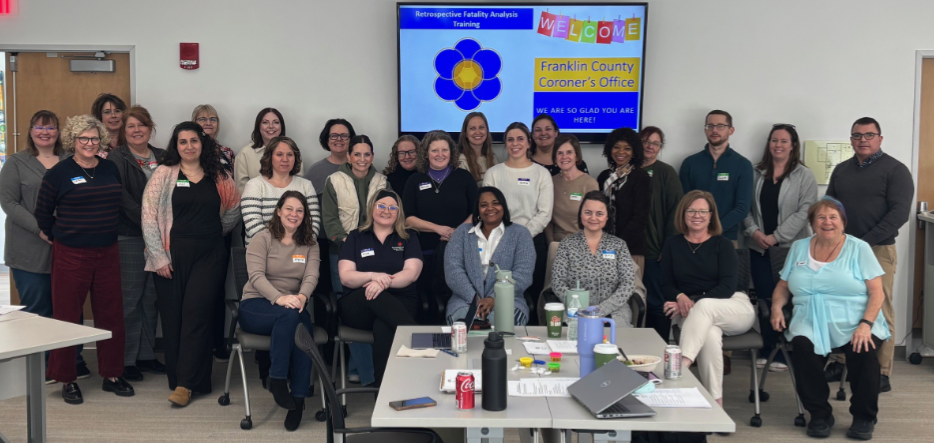
Our two-day training, offered virtually or in person, prepares participants to conduct RFA using a structured, compassionate, and context-sensitive approach. The method expands on the psychological autopsy framework and can support survivor meaning making, prevention, research, legal clarity, and postvention planning.
-
Foundations of RFA
Interview skills and protocols
Document review and data synthesis
Narrative analysis using a biopsychosocial framework
Writing the RFA report
Applications across systems
-
Certified by the American Board of Medicolegal Death Investigation
Participants can earn 11.5 credit hours (Total cost for CEUs is $15)
-
Bachelor’s degree required
Relevant experience in social sciences, public health, healthcare, death investigation, or in roles supporting grieving or bereaved individuals, especially suicide loss survivors
Strong interviewing skills
We welcome a wide range of professionals including clinicians, public health workers, fatality review members, and survivor advocates.
Training Options and Fees
Trainings
Virtual or In-Person
This two-day, interactive training is open to eligible participants and provides a full walk-through of the Retrospective Fatality Analysis (RFA) protocol, with an emphasis on compassionate, ethical practice. You will learn how to work with suicide loss survivors, conduct interviews, review documentation, and analyze narratives using a biopsychosocial framework. By the end of the training, you will be able to synthesize findings, write an RFA report, and apply results to strengthen prevention, postvention, and broader system improvements.
Registration is $400 and includes all training materials and a certificate of attendance. To receive your certificate of completion and be eligible to pursue RFA certification, you must attend both full days. RFA certification is available as an optional next step for an additional $300 and includes structured support, mentorship, and clear pathways to certification based on your background and goals.
Private Group Trainings
In-Person
We offer on-site group training for organizations, agencies, coalitions, and cross-community partnerships at a flat rate of $10,000 for up to 25 participants (travel costs apply).
We especially value when groups across communities or states collaborate to host a shared training, pooling resources, sharing the lift, and building relationships that can translate into real, system-level change. If you are considering hosting, we encourage you to invite aligned partners who want to strengthen suicide prevention and mental health in their communities, including coroners and medical examiners, public health, behavioral health providers, crisis and postvention teams, schools, veteran-serving organizations, and coalition leaders. We are happy to talk through hosting options and practical co-hosting models. Interested in learning more or booking a training? Contact us.

Certification is required to use the RFA protocol. It ensures hands-on application of the method, peer feedback, and trauma-informed report writing.
Certification Process
Fee: $300 (valid for 3 years)
Path Options
Path 1: Independent Case Review
Conduct 3 interviews and submit a full RFA report for panel review
Path 2: Team Collaboration
Work with a team; conduct 2 interviews each and write an individual report
Path 3: Simulated Interviews
For institutional certification needs; includes role-play and written components
After Certification
Certified RFA Analysts may . . .
Partner with RFA Consultants on cases
Apply the method in professional or research settings
Renew certification every 3 years ($300)

Mentorship and Ongoing Support
Our RFA Mentorship Program offers continued support for individuals who have completed training and are working toward certification, as well as those who are already certified. Mentors help participants prepare to interview loss survivors and work through cases. We are available to consult on cases during the certification process and after certification is complete. We are also available to debrief at any stage of the work. This program ensures that no one is navigating the RFA process alone.